Learn how to leave a written legacy for your loved ones and enjoy a retreat in Mexico in the process!
In this episode I share a conversation with Michelle Pante and Reena Lazar of Willow, a company that helps people express their personal and healthcare wishes for the future and leave a legacy of the heart for the ones they love. They will share their stories and tell us about an innovative retreat to Mexico they are planning this year – just in time for Dia de los Muertos!
You can still join our online reading group A Year of Reading Dangerously if you’re interested in reading a book each month about death, dying and the afterlife. Register here if you want to receive email notifications each month about the latest book selection. Go here to see the entire book list for 2018.
Thanks as always to my supporters on Patreon.com/eolu! Your monthly donations help keep this podcast and the EOLU interview series on the air. This week my thanks goes out to Suzanne O’Brien and Doulagivers.com for their ongoing support over the past year-and-a-half. If you’d like to join our team sign up at Patreon.com/eolu and receive special bonuses.
FEATURE PRESENTATION:
Today my guests Michelle Pante and Reena Lazar tell us how they started their company Willow and the services they provide to their clients. We talk about:
How the two of them decided to team up and create a vision together
How Reena uses her conflict resolution training in the work she does now helping people with end-of-life planning
Why they chose the name Willow for their company
What are “love letters” and “heart wills” and why they encourage people to create them
Tips for writing your own heart will
Details of the upcoming retreat in Mexico that includes a celebration of the Day of the Dead (you can still get the “early bird” discount of $200 off the price of the retreat if you sign up by August 20th and use the code EOLU)
Learn more about Reena, Michelle and Willow at willoweol.com!
Remember there will be a new episode every Monday – if you enjoy this content please share it with others and consider leaving a review on iTunes!
Thank you to my newest supporter on Patreon.com/eolu: Ann Gillespie! I appreciate all of my patrons who help keep End-of-Life University on the air. Go to Patreon.com/eolu if you are interested in joining the team and receiving bonuses as a thank-you gift!
At the time of broadcast I’ll be traveling and camping in Colorado! I hope you are enjoying your summer too.
Learn about the impact of grief on the body and the emotions and steps you can take to heal your grief when you are ready.
In this episode I share an interview with filmmaker and grief counselor Michelle Peticolas who talks about the 3-part film series she created, which is available for use in your community. She also shares her tips on healing from grief and thriving after loss.
A HUGE THANK YOU to my latest contributors on Patreon.com/eolu: Christina Ensminger and Jackie Yeager! I appreciate your generosity and your support so much. If you’d like to join our team go to Patreon.com/eolu to learn how to sign up for as little as $1 per month and receive special bonuses just for patrons!
If you missed last week’s webinar with Suzanne O’Brien on “End-of-Life Doula Training for Caregivers and Volunteers” you can still listen to the replay. Go to www.eoluniversity.com/obrien to register and you’ll receive the link to listen in. It was fantastic and I’m sure you will enjoy it!
FEATURE PRESENTATION:
Michelle Peticolas begins the interview by telling us about her series of 3 films, The Secrets of Life and Death, which deal with facing death, being present with the dying, and grief. These films are now available for public showing and you can go to her website to learn more: www.secretsoflifeanddeath.com
Next we talk about grief and cover the following topics:
People in our culture struggle with grief because we have been taught to avoid it
Grief triggers both an emotional and a physical response and illness can result from grief that is not addressed
The brain needs time to rewire its circuits after the death of a loved one
The medical system usually offers drugs for grief symptoms, which don’t help grief actually heal
Grief support groups may contribute to ongoing trauma for grievers by stimulating the release of stress hormones over and over again as stories are told and retold
Michelle’s 3 tips for thriving after loss:
Allow the feelings to arise and learn how to listen to the body
Savor support and reach out for connection with others; allow your loved one to love you through others
Shift perception of loss and recognize that love and joy are still present even though the person you’ve loved is not physically present
Tune in next week for another new episode. If you enjoy this content please share with others and consider leaving a review on iTunes.
In this episode I share some thoughts about how to get involved in the end-of-life movement if you have recently become interested in death and dying. You’ll hear about my best ideas for contributing to change in the way people die and offering your service to others.
Check out my book to read stories about hospice patients I cared for.
ANNOUNCEMENTS:
Welcome to our new sponsor: Authentic Presence Training from the Spiritual Care Program. Authentic Presence brings together practical contemplative resources with the knowledge and skills of modern hospice and palliative care. Suitable for professionals from all faith traditions or none, the course draws its inspiration particularly from Buddhist contemplative practice, the acclaimed classic The Tibetan Book of Living and Dying, the work of the Dalai Lama, as well as contemplative neuroscience. Learn more here.
Join me and my guest Suzanne O’Brien RN for a free webinar: “EOL Doula Training for Caregivers and Volunteers” on Tuesday July 24th at 5 pm Pacific/8 pm Eastern. Register here and you’ll receive the replay if you can’t attend live.
FEATURE PRESENTATION:
Learn about these opportunities to be of service to the dying in many different capacities:
Work as a professional in hospice or palliative care (call your local hospice/palliative care program to see if you have the credentials needed and to learn about any training offered):
physician
nurse
nurse practitioner
nursing assistant
social worker
chaplain
Become a volunteer – for those with no medical training:
Hospice volunteers are always needed (call your local hospice for more information)
Twilight Brigade – to provide end-of-life support to veterans. Learn more here.
Pet Therapy for Hospice Patients – if you have a special pet and would like to receive training to provide visits to patients. Learn more in this interview.
Seek out other opportunities in your community like Meals on Wheels, hospital or nursing home volunteer programs, church-related visitation programs
Become an End-of-Life Doula – check out the training mentioned above with Suzanne O’Brien and find out if this work is a good fit for you. Learn more here.
Start a caregiver training program – the need for in-home caregivers is going to increase dramatically over the next decade. Consider becoming a caregiver trainer to help your community meet this need.
Teach a death education class – there is currently a great need for education about death and dying in our society. Consider teaching your own class or workshop to provide information to others in your community. Get the Teaching Guidelines for a Death & Dying Class here.
Create a Community Event to inspire people to learn more about the end of life:
Start a Social Model Hospice – to provide non-medical residential support and caregiving for those who are without a proper home at the end of life. Listen to the interview here.
Whatever inspires you I hope you will gather your courage and take the next step to get involved in the end-of-life movement. Your help is needed!
There will be a new episode next Monday. If you enjoy this content please share it with others and consider leaving a review on iTunes. Thank you for your interest and support!
Learn about some helpful resources for talking to children about death and funerals.
In this episode I’ll share some tips from a recent panel discussion I watched about Youth and Funerals. It’s important to teach adults how to talk to children about death and how to invite them to participate in mourning rituals when a loved one dies.
Get the eBook from Funeral Services Foundationhere.
Watch the video:
ANNOUNCEMENTS:
On July 24th I’ll be hosting Suzanne O’Brien RN for a free webinar titled: “End-of-Life Doula Training for Caregivers and Volunteers.” Join us if you’re interested in learning more about the work of end-of-life doulas to see if further training might be of interest to you. You’ll learn valuable skills for caring for those at the end of life no matter what type of work you do. Sign up at the link below:
Thank you to my new supporter on Patreon.com/eolu: Joshua Zoppi! I’m grateful to you and all the other patrons who are helping to keep this podcast and the EOLU Interview Series on the air! If you’d like to join the team (and get special bonuses) go to Patreon.com/eolu to learn more and sign up (for as little as $1 per month!)
FEATURE PRESENTATION:
There’s no denying the importance of teaching children about death and dying from a young age to help them have a healthy attitude toward a normal part of life. Part of that teaching includes involving them in funerals for loved ones and providing appropriate support and information during the process.
In this episode I’ll talk about:
My own story of attending a funeral without understanding anything about death or knowing what to expect at a funeral
How I taught my children about death and funerals
The panel discussion from the Nation Funeral Directors’ Association Leadership Conference that inspired me to talk about this subject (speakers I watched and quote from include Joe Primo of Good Grief, Vicky Jay of National Alliance for Grieving Children, and Brad Speaks from Speaks Family Legacy Chapel)
Why children should be taught about funerals and allowed to participate
Why we need to teach parents how to include their children in funerals and support them in the process
Ways to involve children in funerals:
Create a music playlist for the funeral
Help make a poster board of photos of the loved one
Draw pictures of the loved one
Tell a story or sing a song for the funeral
Be a pallbearer or escort
Place flowers on the casket or urn or in the grave
Learn about Stephen’s teachings on death phobia in our society and how palliative care and the medical system fail to address this problem.
In this episode I share an excerpt from an interview with Stephen Jenkinson, author of the book Die Wise, founder of Orphan Wisdom and subject of the documentary Griefwalker. Stephen discusses some of the problems with our approach to death in modern society, including the medical system.
Thank you to my latest supporter on Patreon.com/eolu: Bernadette Koch. I appreciate your willingness to contribute to this podcast and the End-of-Life University Series to keep them on the air. If you’d like to join the team, support this work, and get awesome bonuses at the same time, go to Patreon.com/eolu to learn more and sign up!
On July 24th I’m hosting Suzanne O’Brien RN for a free webinar where she’ll be teaching “End-of-Life Doula Training for Caregivers and Volunteers.” If you’d like to know more about the work of end-of-life doulas and learn important skills for caring for the dying, this webinar will be valuable for you.
Click here to sign up for the webinar (it’s free and you’ll receive the replay if you can’t attend live.)
FEATURE PRESENTATION:
My guest Stephen Jenkinson is a palliative care consultant, teacher, author and ceremonialist who is “revolutionizing grief and dying in North America.” As the author of Die Wise he teaches that “Dying well is a right and responsibility of everyone.”
Dying well is a right and responsibility of everyone. – Stephen Jenkinson
In this interview we discuss:
The origin of death phobia in our society
How the fear of non-existence is the greatest fear of most people
Why “lost” and “loss” are not helpful terms to use when discussing death
The danger of the “fighting illness” mentality of modern medicine
Why dying and grief are things that we “do” rather than events that “happen to us”
Why palliative care should be dying-centered rather than relief-centered
(This is an excerpt from the interview with Stephen. The full interview can be found at Patreon.com/eolu as a bonus for Platinum level supporters ($5 per month.))
Tune in every Monday for a new episode and if you like this content please share it with others or consider leaving a review on iTunes.
Learn about a humorous one-woman play that inspires audiences to discuss their fears about dying and death.
In this episode I share an interview from the archives with actress Judith Gantly who presents a one-woman play titled “Waltzing the Reaper.” We discuss the benefits of compelling theatre for inspiring an audience to talk about end-of-life issues.
Learn more about Judith’s work and “Waltzing the Reaper”here.
ANNOUNCEMENTS:
On July 24th I’ll be hosting a free webinar with Suzanne O’Brien RN on End-of-Life Doula Training for Caregivers and Volunteers. She will share the Level I training she offers to community members who want to learn how to care for their families and neighbors at the end of life. There will be a Q&A session with Suzanne following the webinar and you will receive the replay if you can’t attend live. Stay tuned for registration information!
Thank you to my latest supporter on Patreon.com/eolu: Nancy Walker! Your generosity is greatly appreciated. If you’d like to join the team of patrons who are chipping in each month to keep End-of-Life University on the air go to Patreon.com/eolu to sign up and learn about the bonuses you’ll receive as a supporter.
FEATURE PRESENTATION:
Judith Gantly presents the one-woman play “Waltzing the Reaper” for hospices, medical schools, and communities all around the country. She is available to travel to your event if you would like to incorporate theatre as a way to inspire your community to engage in conversations about dying and death.
You will learn:
The story portrayed in Waltzing the Reaper
Why theatre is a powerful tool for inspiration
How the hearts and minds of the audience members are opened during a live performance on stage
Why the content of this play stimulates discussion
How audiences come together through the shared experience of viewing a play
How to contact Judith about bringing Waltzing the Reaper to your community
View video excerpts from the play, read testimonials, and contact Judith at her website: http://judithgantly.com.
Tune in every Monday for a new episode. If you enjoy this content please share it with others and consider leaving a review on iTunes.
Learn about the life of Cicely Saunders and what we can discover from her quest to change the way that people died.
In this episode, recorded just after the celebration of what would have been Cicely Saunder’s 100th birthday, I talk about how she became interested in caring for the dying, what inspired her to create St. Christopher’s Hospice, and what we can learn from her determination to improve care at the end of life.
Read more about the life and work of Dame Cicely Saunders at:
Thanks as always to my devoted supporters at Patreon.com/eolu who make small contributions each month to keep this podcast and the End-of-Life University Interview Series on the air. I’m so grateful for your financial, emotional and spiritual support!
If you’d like to join A Year of Reading Dangerously, our online reading group for 2018, there’s still time! Check out the reading list here and start reading along with 1,000 other people around the globe!
FEATURE PRESENTATION:
Cicely Saunders first began working with dying patients when she was training to be a nurse in the early 1940’s in London. She went on to become an Almoner (medical social worker) and a volunteer nurse at a hospice for the dying poor where she recognized the great need for better pain management and comfort care at the end of life.
When she was told that the medical system would not be interested in her ideas because she wasn’t a physician she accepted the challenge and went to medical school. One revolutionary contribution to end-of-life care was her concept of “Total Pain,” which included emotional and spiritual pain as well as physical.
As a doctor Cicely received a research grant where she studied pain management and wrote many articles. She took “before and after” photos of each patient so that she could show the transformation that occurred when pain was alleviated. Eventually her dream of creating a hospital dedicated to care of the dying was fulfilled when St. Christopher’s Hospice opened 10 years later.
From her story we can take much inspiration for today’s ongoing struggle to improve care at the end of life:
Follow your heart – Cicely stayed true to her heart and passion throughout her career as she dedicated herself to care of the dying, even when others discouraged her.
Be willing to change course to achieve your dream – Cicely was unable to pursue her original dream of being a nurse after a back injury and shifted to medical social work as a way of continuing her work with dying patients.
Be persistent – Cicely’s determination to do whatever it took to bring her dream to fruition led her to become a doctor.
Patience is essential – Cicely had to wait for many years to see her dream of a hospice become a reality: first while she studied to be a doctor, then did several years of research, and finally raised the funds to build St. Christopher’s. Change rarely happens overnight so stay the course!
Be credible before you can be incredible – Cicely demonstrated this throughout her career as she diligently worked through her own education and her research to gain credibility in the eyes of the medical system she was trying to change
The importance of teamwork – Cicely found likeminded individuals in her community and in the U.S. to sustain her inspiration and her enthusiasm for her goal. We can accomplish more as a team than as individuals.
Flexible models are necessary for optimum care – Cicely resisted standardizing her model of hospice care and instead chose to help others create their own unique solutions for the needs of their communities.
Have a big vision but humble expectations – Cicely sought to change care of the dying across the world with her vision of hospice but was content to make a difference to just one patient at at time.
“If one man from a poor village in India dies without pain because of what I have done, it will all have been worthwhile.” – Dame Cicely Saunders
Today we would be advised to remember her Total Pain concept as we struggle to deal with an opioid crisis in the U.S. Neglecting the contribution of emotional and spiritual pain to physical pain has led to over-reliance on drugs as the answer to suffering.
Happy Birthday Dame Cicely Saunders!
Thank you for inspiring us to carry on your big vision of helping every person find comfort, peace and love at the end of life.
Tune in every Monday for a new episode! If you enjoy this content please share with others and consider leaving a review on iTunes. Until next week:
Learn about a beautiful documentary film that you can include in a community workshop on home funerals and green burial.
In this episode I share a “legacy interview” with two of the directors of the documentary film “A Will for the Woods” – Amy Browne and Brian Wilson. This is one of my favorite films and I encourage you to consider bringing it to your community for a screening and discussion about home funerals and green burial.
Sign up for A Year of Reading Dangerously online reading group for 2018 here.
This episode is sponsored by my supporters on Patreon.com/eolu. Thank you today to Holly Randall for increasing your monthly pledge! I appreciate all of the donors who have been chipping in over the past year-and-a-half to keep this podcast on the air! You can join the team for as little as $1 per month at Patreon.com/eolu.
FEATURE PRESENTATION:
Filmmakers Amy Browne and Brian Wilson discuss their award-winning film, A Will for the Woods, the story of a man near the end of his life who prepares for his own green burial. This film has been named “One of the 9 documentaries you must see this year” by the TED blog and has won numerous awards at film festivals around the country. In this interview you will learn:
what inspired 4 young filmmakers to spend 4 years filming this end-of-life journey
what the movie teaches us about death and burial customs
how this film can change the funeral industry
how to plan your own green burial and create a “green will”
Co-Director/Producer, Amy Browne, grew up in Australia and moved to New York City to study theater at The American Academy of Dramatic Arts, and film at The New School University. Her film credits include Associate Producer for Crazy & Thief (LA Film Festival 2012) and I Used to be Darker (Sundance 2013), as well as work on The Ballad of Genesis and Lady Jaye (Berlinale & Tribeca 2011). She also recently commenced work as the Producer on upcoming documentary As Worlds Divide. When her sister Sophie introduced her to the concept of green burial, which connects the profundity and beauty of nature with the cycle of death and life, Amy was inspired to further explore the idea through film.
Co-director/Editor, Brian Wilson, graduated from Brown University with a degree in Comparative Literature and History, and works as an editor in New York. Passionate about the natural world and its protection and restoration, he is pleased to be exploring and raising awareness about green burial with A Will for the Woods. He became interested in developing deeper insight into death after his mother died in 2008, and has been grateful to find it through working on this project, which he hopes will offer similar comfort and understanding to many viewers.
Learn about the obstacles facing the end-of-life movement as we try to improve our approach to death and dying in society.
In Part 2 of this discussion I’ll look at the major “threats” to the advancement of improved care for the dying and dead in our society and how we might overcome them. Be sure to listen to Part 1 and download the original article below if you want to know more.
Get the Teaching Guidelines for a Death & Dying Class if you are interested in teaching your own class. You’ll be on the mailing list for the next Work Group for Death & Dying Class Teachers.
Learn what the history of natural childbirth in the U. S. has in common with the changes we are seeking in end-of-life care and how we can benefit from that knowledge as we move forward.
In this episode I share information from an article I researched and wrote about the natural childbirth movement in the U.S., how it developed over decades and ultimately succeeded with the help of the Baby Boom Generation. I’ll show how our current end-of-life movement is following a similar path and what we need to learn from the past. Download the special report below:
You can still join the online reading group: A Year of Reading Dangerously and read one book each month in 2018 about death, dying and the afterlife. In May we read the book Sacred Dying * by Megory Anderson and for the month of June we’re reading Choosing to Die * by Phyllis Shacter. Go to http://eoluniversity.com/yearofreading to learn more.
(* NOTE: These are affiliate links to Amazon – if you choose to purchase the books from these pages I will receive a small commission which will help support this podcast but cost nothing extra for you.)
This episode is sponsored by the album Healing Chants by Gia! Check out this gorgeous collection of chants to help you relax, breathe deep, let go, and heal. Stay tuned to the end of the episode to hear the chant: You and I Are One.
A “perfect storm” led to the breakthrough of natural childbirth into mainstream U.S. medicine and society back in the 1970’s as the Baby Boom generation began demanding better alternatives. There is a similar “perfect storm” brewing right now around end-of-life care as Baby Boomers are aging and facing their own later years.
According to the book Family Centered Maternity by Celeste R. Phillips there were 3 key factors that contributed to the rise in popularity of natural childbirth. These same factors are present now in the end-of-life movement:
Medical Pioneers who served as advocates within the medical profession and began demanding change from their colleagues.
Grassroots Movements in communities that educated and empowered consumers to push for improved and alternative methods of care.
Media Attention that spotlighted the cause and galvanized the public to get involved while also normalizing the conversation.
But change doesn’t happen overnight and those seeking change in how our society deals with death and dying need to remember these 3 lessons about change:
Change in society is ultimately driven by economic factors
Change requires a united effort
Change requires a critical mass
Stay tuned next week for Part 2 of this discussion which will cover the potential deterrents to the change we are seeking and the takeaway lessons that should be learned from studying the history of natural childbirth.
Thanks to all the supporters of this podcast on Patreon.com/eolu! Sign up to make a contribution of just $1 per month and receive special bonuses for patrons only!
If you enjoy this content please consider leaving a review on iTunes and sharing with others who would find it interesting!
Learn how to provide appropriate and sensitive care to a veteran who is nearing the end of life.
Today’s “mini-episode” airs on Memorial Day in the U.S. – a day when we honor those who have given their lives in military service to our country. I share a few thoughts about how to give the best care possible to those who have served as they reach the end of their lives.
ANNOUNCEMENTS:
Check out A Year of Reading Dangerously online reading group if you’d like to read books about death, dying and the afterlife and join our online discussions. The group will be going on all year long in 2018! Click hereto read more and see the book list.
THANK YOU to all of my generous patrons who support the podcast and End-of-Life University Interview Series with small monthly donations at Patreon.com/eolu! Your support means everything to me! Visit the Patreon.com/eolu page if you’d like to become a supporter and receive special bonuses!
FEATURE PRESENTATION:
On this Memorial Day we honor all those who died serving our country as members of the military. Today I am honoring all veterans for their sacrifices and service as we discuss how to give them the best possible end-of-life care.
The Veterans Administration estimates that 11-30% of all veterans experience Post-Traumatic Stress Disorder (PTSD) as a result of trauma during their military service. PTSD symptoms can be triggered when a veteran faces the challenges of aging and death, even in those who have not experienced PTSD flare-ups for many years.
The symptoms of PTSD to be aware of if you are caring for a veteran include:
Flashbacks and vivid recollections of the traumatic event
Nightmares
Sensitivity to certain sounds or sights
Sleep difficulties
Irritability
Anger outbursts
Isolation
Avoidance of situations that trigger memories
If you are caring for a veteran, whether you are a professional or family caregiver, it is important to understand the needs of your patient so you can offer appropriate care. Here are some tips:
Recognize that the veteran may be reluctant to complain of pain or distress because military training emphasizes stoicism and bravery. Talking about pain or fear may seem to be a sign of weakness to the veteran.
Watch for signs of uncontrolled pain (grimacing, muscle tension, elevated heart rate or blood pressure) even if the veteran denies discomfort.
Normalize the experience of pain by emphasizing that other patients with the same diagnosis often have pain and receive treatment for it.
Create a safe emotional space where the veteran’s wishes can be heard and respected without judgment.
Ask open-ended questions and show a willingness to listen, even to difficult stories, but don’t push the veteran to talk if he or she is reluctant.
Avoid startling the patient with an unexpected touch – always ask permission before reaching for a hand.
Acknowledge that you cannot possibly know what the veteran has experienced unless you yourself have been in military service. Show your gratitude for the sacrifices made.
Remember that the veteran may be carrying a burden of unresolved grief and guilt over the traumatic events of the past but may be concerned that no one else can tolerate listening to the stories that need to be told. Offer reassurance that you have heard many stories in the past and are trained to listen.
Enlist the help of a chaplain if the veteran is seeking forgiveness and interested in receiving pastoral care.
Consider bringing in a Veteran Volunteer if the patient is willing and one is available. A fellow vet will have an easier time establishing rapport and connecting with the patient. Check out The Twilight Brigade, which provides volunteers nationwide to be at the bedside of dying Veterans and “is one of the largest end-of-life care communities operating as an independent agency within VA hospitals and hospice care facilities across America.”
Heartfelt thanks to all veterans who have served to protect our freedom and safety! May your road be smooth and burdens light as you journey on at the end of life!
Remember there will be a new episode every Monday so be sure to tune in again. If you enjoy this content please consider leaving a review on iTunes and sharing the podcast with others.
Learn how a skeptical psychologist began receiving messages through channeled writing from his son after his tragic death.
In this episode I share an interview with psychologist Matt McKay PhD who tells how he began receiving messages after his son’s death that taught him about spirituality here in this life and in the afterlife. Matt shares his suggestions for communicating with those “on the other side.”
You can get it hereon Amazon in print, ebook and audiobook formats!
THANK YOU to all of my current patrons on Patreon.com/eolu! Your support means everything to me! If you’d like to join in and help support this podcast for as little as $1 per month go to Patreon.com/eolu and check it out!
FEATURE PRESENTATION:
In this presentation clinical psychologist Dr. Matthew McKay will share the story of his son Jordan and how he sought to connect with Jordan after his death. He will teach us how to communicate with our own loved ones who have died.
Dr. McKay offers these suggestions for starting your own practice of channeled writing:
Get grounded and centered
Have a physical object that connects you to your loved one
Use a candle or other visible object to focus your gaze
Become more receptive bu using mindfulness, self-hypnosis, breathing techniques
Have a special notebook handy
Write down a question for the loved one you would like to communicate with
Wait for words to form in your mind and immediately write down anything that arises, without judging or questioning it
Acknowledge your doubt but don’t be paralyzed by it
Remember there will be a new episode every Monday! If you enjoy this content please consider leaving a review on iTunes and sharing it with others.
Learn how mothers and daughters cope with their changing roles as the end of life nears.
In this episode I share an interview with Kate Riley, author and death midwife, about our own relationships with our mothers and how they changed as we provided care to them at the end of life. Happy Mother’s Day to all mothers out there listening!
Thank you to my latest sponsor on Patreon.com/eolu: Marilyn Stoner. Thank you for support and thanks to all of my patrons – I appreciate your generosity very much!!
This episode is brought to you by my course Get Over it For Good: Healing the Hidden Wounds of Childhood. Learn to get over events from the past that keep you stuck and unable to grow. This is a self-study course that helps you identify your hidden wounds and discover the wisdom you can gain from them. Platinum supporters on Patreon.com/eoluwill receive a 30% discount on the course! Learn more about the course here.
FEATURE PRESENTATION:
My guest Kate Riley and I discuss the joys and challenges of daughters who care for their mothers at the end of life. Kate was the caregiver for her mother during the last 9 months of her life and shares her insights about that process.
In this interview you will learn:
The ups and downs of the caregiver journey
The benefits of presence at the end of life
How meditation helps with preparation for death
Death has its own mysterious timing
The pain of letting go of our mothers and being let go of by them
How caregiving helps us heal our relationships
Advice for daughters caring for their mothers
Kate Riley is a certified death midwife, minister, international story consultant, author and educator. She began private practice in compassionate end-of-life care after completing hospice training in the late 1980s. She serves as a liaison for individuals facing end-of-life decisions, working with their families and medical teams in providing a more person-centered approach. She encourages and supports those who want to take a conscious, active role in their own dying process. She is the author of The Green Velvet Journals and Launching Vee’s Chariot: An End-of-Life Tale. Kate lives in the Wood River Valley of Idaho—a great place to find balance in all of life’s stages. Her advanced training includes death midwife/doula certification through Final Passages and current enrollment in the California State University Palliative Care Chaplaincy program.
Remember to tune in every Monday for a new episode! If you enjoy this content please consider leaving a review on iTunes. Until next week:
Learn how to create a pilgrimage to help you process the grief that follows the trauma of war.
In this episode I share my own story of traveling to Normandy to retrace my father’s footsteps during World War II. This was part of a grief pilgrimage I took to help me understand the factors that led to my father’s suicide many years later.
You can still sign up for A Year of Reading Dangerously and join our online reading group for 2018. Read more about it here.
This episode is sponsored by my supporters on Patreon.com/eolu who contribute a little each month to keep this podcast and the End-of-Life University Interview Series on the air! Thank you to my latest patron: Martha Johnson! I appreciate your support more than you can ever know. To become a patron go to Patreon.com/eolu and receive some special bonuses.
FEATURE PRESENTATION:
One year ago I featured a special 8-part series titled Suicide: Surviving the Aftermath about my own journey of healing following my father’s suicide death. This week is the anniversary of his death and I’m focusing in today on part of my journey.
In order to learn more about the impact of World War II on Dad’s emotional health I took a grief pilgrimage to Normandy to explore the location of some of his traumatic experiences. That trip was a powerful experience that helped me understand Dad better and grasp the burden of grief and guilt that he had carried with him since the war.
Here are my tips for anyone who wants to plan a similar pilgrimage (listen to the episode for more of the details and to hear how my own journey unfolded):
Do your homework before you go: Learn all you can about your loved one’s wartime travels so you can choose the places you’ll visit carefully. Check the National Archives for information and military records for your loved one.
Visit a museum: You’ll learn a lot of history in a short time by starting your journey at a war memorial museum. You’ll find some of the recommended World War II museums in Europe listed here.
Enlist a guide: A local guide with a solid knowledge of history and the area can save you time and show you places you wouldn’t have discovered on your own. Find a guide that speaks your language fluently and is willing to go to the places on your list.
Meet a local: One of the benefits of traveling to the location of the war is the opportunity to meet people who personally experienced the war and its aftermath (or their offspring.) Local citizens will have stories to share that will help broaden your perspective.
Take your time: The emotions that arise on grief pilgrimage are intense so allow time for reflection and processing. Don’t rush through the sites but stop and take it all in. Let your feelings rise to the surface so that they can be witnessed.
Participate in a ritual: Rituals provide a powerful opportunity for healing during grief travel experiences so plan ahead to create your own special ceremony. Or you may have a chance to take part in a scheduled ceremony with other travelers as I did when I visited the Normandy American Cemetery.
Learn more about how travel helped my grief by listening here.
Tune in each Monday for a new episode and if you enjoy this content please consider leaving a review on iTunes!
Learn about the impact of unspoken grief on a young child after the death of a parent and why we need to do a better job addressing grief with children.
In this episode I share an interview with Rachel Stephenson, an author, speaker and educator, who shares the story of her mother’s sudden death when she was 5 years old and the lasting impact it has had on her and the lives of her family. Rachel’s TEDx Talk on the same subject has attracted a lot of attention and points out why we need to address grief and loss with children.
Watch Rachel’s TEDx Talk:
ANNOUNCEMENTS:
Sign up for A Year of Reading Dangerously reading group here and join us to read books about death, dying and the afterlife all year long!
Tune in to the 4-part webinar series Demystifying Palliative Carehere and learn all about the palliative care team members and their roles.
This episode is being sponsored by Gia’s Healing Chants Album – you’ll hear a selection at the very end of this episode. Click hereto learn more and purchase the album.
FEATURE PRESENTATION:
My guest is Rachel Stephenson, whose blog “Dear Dead Mother” and recent TEDx Talk have captured a great deal of attention online. We explore the process of grief, particularly for a young child who loses a parent, and how childhood grief differs from that experienced by adults. Rachel is passionate about opening the conversation about grief and loss.
In this interview you will learn:
the dangers of grieving in silence as perceived by Rachel
the experience of suddenly losing a parent through the eyes of a young child
what needs to change in our societal conversation about death
how to talk to a child about a death in the family
Rachel Stephenson is a writer, speaker, educator, and university administrator who is living fully with grief. She is currently the University Director of the CUNY Service Corps at The City University of New York, and her professional experience includes designing and implementing innovative experiential education programs in civic engagement, workforce development, and youth development; writing interactive curricula; facilitating/emceeing professional development workshops and special events; fundraising; and more at a range of educational institutions and non-profit organizations in New York City. She is married with three daughters. Though Rachel has not spent her career in the world of grief and bereavement, she has spent her life thinking about her own grief – her mother died suddenly when Rachel was five – and knowing that she would one day revisit her own story to connect with others about navigating loss.
Learn how answering just one question can simplify your decision-making process for end-of-life planning.
In this episode I’ll share how one simple question helped clarify my Mom’s end-of-life wishes and why I recommend starting there to put your own advance care planning into the proper perspective. This episode is sponsored by my course “Step-by-Step Roadmap for End-of-Life Planning.“
You can still join my online reading group for 2018 “A Year of Reading Dangerously” and read a book each month on death, dying and the afterlife. Sign up here.
Thank you to all of my supporters on Patreon.com/eolu! Your donations mean a lot to me!
FEATURE PRESENTATION:
Putting our wishes for the end of life into writing is more complicated than it seems. We can easily get lost when we start to consider all of the options available and make decisions about what we do or do not want for care during out last days.
When my mother was trying to complete her living we finally found a simple way to clarify what really mattered to her. I asked her to tell me how she wanted it to be when she was taking her last breaths in this life. And she answered right away: “I want to be in my own home with you taking care of me.”
That one question changed everything for us and her answer guided all of the decisions that we made together as a family for the next five years before her death. I have spent time thinking about the one question myself and it is clear to me that the only thing that will really matter to me when I am ready to die is love. I will want to be as near as possible to the people I love.
You can use this one question too:
Imagine your last moments of life: how do you want it to be?
Describe what you see in positive terms first: Who is with you? Where are you?
Keep it simple to avoid being overwhelmed. Just a few details are all you need to describe.
Finally add your 2-3 absolute DO-NOT’s to the picture. What do you definitely NOT want to have happen during your last moments? Again – limit the number to those things you feel strongest about. Your family will remember 2-3 requests but not 10-12.
Start talking now about your positive vision for your final moments and let your family know what you envision. When you engage them in your vision they are more likely to help you create it. They will have had time to think about your vision and to imagine themselves being part of it.
No matter what start thinking about the end of life now. It’s never too soon to get your plans in order! Consider signing up for the Step-by-Step Roadmap for End-of-Life Planning if you’d like to have a doctor by your side as you make decisions for yourself!
Learn how pet therapy with a trained animal companion can benefit hospice patients physically and emotionally.
In this episode I share a “legacy interview” from the archives with Magnum – a trained facility dog – and his handler Carol Mestemacher about the benefits of pet therapy for hospice patients. Magnum recently “retired” from his volunteer position so I decided to honor his work by featuring this interview today. Thank you for your service Magnum and Carol!
A huge thank you to my new supporters on Patreon.com/eolu: Susan Clark and Howard Bryant! Your contributions help me keep this podcast and the End-of-Life University Interview Series on the air. If you’d like to join us for as little as $1 a month and receive special bonuses go to Patreon.com/eolu to learn more!
This episode features an interview with Magnum – Facility Dog and his handler Carol Mestemacher about the benefits of pet therapy for hospice patients.
You will learn:
The physical and emotional changes that occur for patients with pet therapy
The training required for an animal to be certified for pet therapy
How maximum security prisoners are providing training for therapy animals
What type of pet is well-suited to become a therapy animal
How Magnum serves as an ambassador for hospice in his community
How to start a pet therapy program in your area
Remember to tune in for a new episode every Monday! If you enjoy this podcast please subscribe and leave a review on iTunes!
Learn why and how to start a forgiveness practice now instead of waiting until your last days.
In this episode I share my thoughts about the importance of forgiveness and why you shouldn’t wait until the end of life to start practicing it. I’ve been working on it all my adult life and I can guarantee you it’s a worthwhile endeavor!
For the month of April I’m hosting the 10-day S.M.A.R.T. Decisions Challenge to help you get your advance directives completed in honor of National Healthcare Decisions Day. You’ll be guided step-by-step to figure out what really matters to you so that you can utilize that information as you fill out your living will and healthcare proxy forms. Sign up here.
If you are interested in teaching a death and dying class at some point in the future you can download the Teaching Guidelineshere! When you sign up you’ll be on the mailing list to learn about the upcoming Work Group and Mastermind for death and dying teachers!
Many of my hospice patients have been concerned about practicing forgiveness before they died. I sat with them at their bedsides as they struggled to let go of their anger and bitterness so that they could die in peace.
But I learned that it is possible to start the process of forgiveness now so that the task will be much easier at the end of life. Here are some of the mindset shifts I’ve found are helpful as you learn to forgive (listen to the episode to hear the details):
Life is a classroom – you can learn from any experience
You are not entitled to a life free from difficulties
The past no longer exists except in your memory where you keep negative events alive
It’s not your job to punish those who have harmed you (and trying to do that just hurts you even more)
You can make yourself whole again without getting an apology
The 4-View Forgiveness can help you get a broader perspective on past events
Simple rituals can help you let go of the past
Get the Forgiveness Tool Kitto learn more about strategies for practicing forgiveness on a daily basis so that you will be free of the burden of resentment at the end of life. Sign up for the kit here.
Tune in every Monday for a new episode! Leave a review on iTunes if you like this content (it really makes a difference) and go to Patreon.com/eolu if you’d like to become a supporter!
Learn about Molly’s innovative workshops on end-of-life planning that utilize art projects to inspire deep conversations.
In this episode I share an interview with Molly Stuart who is a lawyer, artist, chaplain and hospice volunteer. She teaches a wonderful workshop on end-of-life planning that includes art to help people uncover their deepest values and concerns.
Watch this episode on YouTube to view Molly’s slides:
ANNOUNCEMENTS:
The month of April features National Healthcare Decisions Day and in honor of that event I am sharing the 10-day S.M.A.R.T. Decisions Challenge – a free challenge that will help you get your end-of-life planning done with guidance along the way by email.
You can still sign up for A Year of Reading Dangerously if you’d like to read one book a month with us about death and dying! Sign up here.
Get the Teaching Guidelines for a Death & Dying Class and you’ll be on the list to hear about upcoming Work Groups and a Mastermind Group for Death and Dying Class teachers. Download the guidelines here.
Thank you to my latest supporter on Patreon.com/eolu: Kathy Lynch and thanks also to Cathy Duke for increasing your pledge! I’m so grateful for your contributions!
FEATURE PRESENTATION:
My guest Molly Stuart shares information about her innovative end-of-life planning workshops. We discuss:
How she got interested in teaching about end of life issues
The complicated nature of advance care planning
The 3-part workshop she designed, which includes:
Practical end-of-life medical and legal issues
Emotional aspects of living while knowing you’re going to die
Transformation and legacy
How Molly uses art to address:
Loss
Meaning
Regret
Legacy
The creative projects her students create as part of her workshops
How to create a legacy art project after the death of a loved one
Remember to tune in every Monday for a new episode and if you enjoy this content please subscribe and leave a review on iTunes!



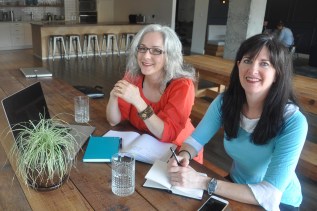 In this episode I share a conversation with Michelle Pante and Reena Lazar of Willow, a company that helps people express their personal and healthcare wishes for the future and leave a legacy of the heart for the ones they love. They will share their stories and tell us about an innovative retreat to Mexico they are planning this year – just in time for Dia de los Muertos!


 In this episode I share an interview with me that Dr. Bob Uslander hosted on his show: A Life & Death Conversation.


 In this episode I share an interview with filmmaker and grief counselor Michelle Peticolas who talks about the 3-part film series she created, which is available for use in your community. She also shares her tips on healing from grief and thriving after loss.
 If you missed last week’s webinar with Suzanne O’Brien on “End-of-Life Doula Training for Caregivers and Volunteers” you can still listen to the replay. Go to


 In this episode I share some thoughts about how to get involved in the end-of-life movement if you have recently become interested in death and dying. You’ll hear about my best ideas for contributing to change in the way people die and offering your service to others.
 Welcome to our new sponsor:
 Join me and my guest Suzanne O’Brien RN for a free webinar: “EOL Doula Training for Caregivers and Volunteers” on Tuesday July 24th at 5 pm Pacific/8 pm Eastern.
 death and dying in our society. Consider teaching your own class or workshop to provide information to others in your community. Get the Teaching Guidelines for a Death & Dying Class


 In this episode I’ll share some tips from a recent panel discussion I watched about Youth and Funerals. It’s important to teach adults how to talk to children about death and how to invite them to participate in mourning rituals when a loved one dies.
 On July 24th I’ll be hosting Suzanne O’Brien RN for a free webinar titled: “End-of-Life Doula Training for Caregivers and Volunteers.” Join us if you’re interested in learning more about the work of end-of-life doulas to see if further training might be of interest to you. You’ll learn valuable skills for caring for those at the end of life no matter what type of work you do. Sign up at the link below:

 In this episode I share an excerpt from an interview with Stephen Jenkinson, author of the book Die Wise, founder of Orphan Wisdom and subject of the documentary Griefwalker. Stephen discusses some of the problems with our approach to death in modern society, including the medical system.

 My guest Stephen Jenkinson is a palliative care consultant, teacher, author and ceremonialist who is “revolutionizing grief and dying in North America.” As the author of Die Wise he teaches that “Dying well is a right and responsibility of everyone.”

 In this episode I share an interview from the archives with actress Judith Gantly who presents a one-woman play titled “Waltzing the Reaper.” We discuss the benefits of compelling theatre for inspiring an audience to talk about end-of-life issues.
 On July 24th I’ll be hosting a free webinar with Suzanne O’Brien RN on End-of-Life Doula Training for Caregivers and Volunteers. She will share the Level I training she offers to community members who want to learn how to care for their families and neighbors at the end of life. There will be a Q&A session with Suzanne following the webinar and you will receive the replay if you can’t attend live. Stay tuned for registration information!


 In this episode, recorded just after the celebration of what would have been Cicely Saunder’s 100th birthday, I talk about how she became interested in caring for the dying, what inspired her to create St. Christopher’s Hospice, and what we can learn from her determination to improve care at the end of life.
 Thanks as always to my devoted supporters at


 In this episode I share a “legacy interview” with two of the directors of the documentary film “A Will for the Woods” – Amy Browne and Brian Wilson. This is one of my favorite films and I encourage you to consider bringing it to your community for a screening and discussion about home funerals and green burial.
 This episode is sponsored by my supporters on


 In Part 2 of this discussion I’ll look at the major “threats” to the advancement of improved care for the dying and dead in our society and how we might overcome them. Be sure to listen to
 Get the Teaching Guidelines for a Death & Dying Class if you are interested in teaching your own class. You’ll be on the mailing list for the next Work Group for Death & Dying Class Teachers.

 In this episode I share information from an article I researched and wrote about the natural childbirth movement in the U.S., how it developed over decades and ultimately succeeded with the help of the Baby Boom Generation. I’ll show how our current end-of-life movement is following a similar path and what we need to learn from the past. Download the special report below:
 This episode is sponsored by the album Healing Chants by Gia! Check out this gorgeous collection of chants to help you relax, breathe deep, let go, and heal. Stay tuned to the end of the episode to hear the chant: You and I Are One.


 Today’s “mini-episode” airs on Memorial Day in the U.S. – a day when we honor those who have given their lives in military service to our country. I share a few thoughts about how to give the best care possible to those who have served as they reach the end of their lives.
 Check out A Year of Reading Dangerously online reading group if you’d like to read books about death, dying and the afterlife and join our online discussions. The group will be going on all year long in 2018! Click


 In this episode I share an interview with psychologist Matt McKay PhD who tells how he began receiving messages after his son’s death that taught him about spirituality here in this life and in the afterlife. Matt shares his suggestions for communicating with those “on the other side.”
 This episode is sponsored by my book:


 In this episode I share an interview with Kate Riley, author and death midwife, about our own relationships with our mothers and how they changed as we provided care to them at the end of life. Happy Mother’s Day to all mothers out there listening!


 In this episode I share my own story of traveling to Normandy to retrace my father’s footsteps during World War II. This was part of a grief pilgrimage I took to help me understand the factors that led to my father’s suicide many years later.


 In this episode I share an interview with Rachel Stephenson, an author, speaker and educator, who shares the story of her mother’s sudden death when she was 5 years old and the lasting impact it has had on her and the lives of her family. Rachel’s TEDx Talk on the same subject has attracted a lot of attention and points out why we need to address grief and loss with children.


 In this episode I’ll share how one simple question helped clarify my Mom’s end-of-life wishes and why I recommend starting there to put your own advance care planning into the proper perspective. This episode is sponsored by my course “

 In this episode I share a “legacy interview” from the archives with Magnum – a trained facility dog – and his handler Carol Mestemacher about the benefits of pet therapy for hospice patients. Magnum recently “retired” from his volunteer position so I decided to honor his work by featuring this interview today. Thank you for your service Magnum and Carol!

 In this episode I share my thoughts about the importance of forgiveness and why you shouldn’t wait until the end of life to start practicing it. I’ve been working on it all my adult life and I can guarantee you it’s a worthwhile endeavor!
 For the month of April I’m hosting the
 If you are interested in teaching a death and dying class at some point in the future you can download the Teaching Guidelines

 In this episode I share an interview with Molly Stuart who is a lawyer, artist, chaplain and hospice volunteer. She teaches a wonderful workshop on end-of-life planning that includes art to help people uncover their deepest values and concerns.
 The month of April features National Healthcare Decisions Day and in honor of that event I am sharing the 10-day S.M.A.R.T. Decisions Challenge – a free challenge that will help you get your end-of-life planning done with guidance along the way by email.

